All lightpaintings are created in-camera using long exposure techniques.
No CGI. No digital drawing.
Only movement, light, and time.
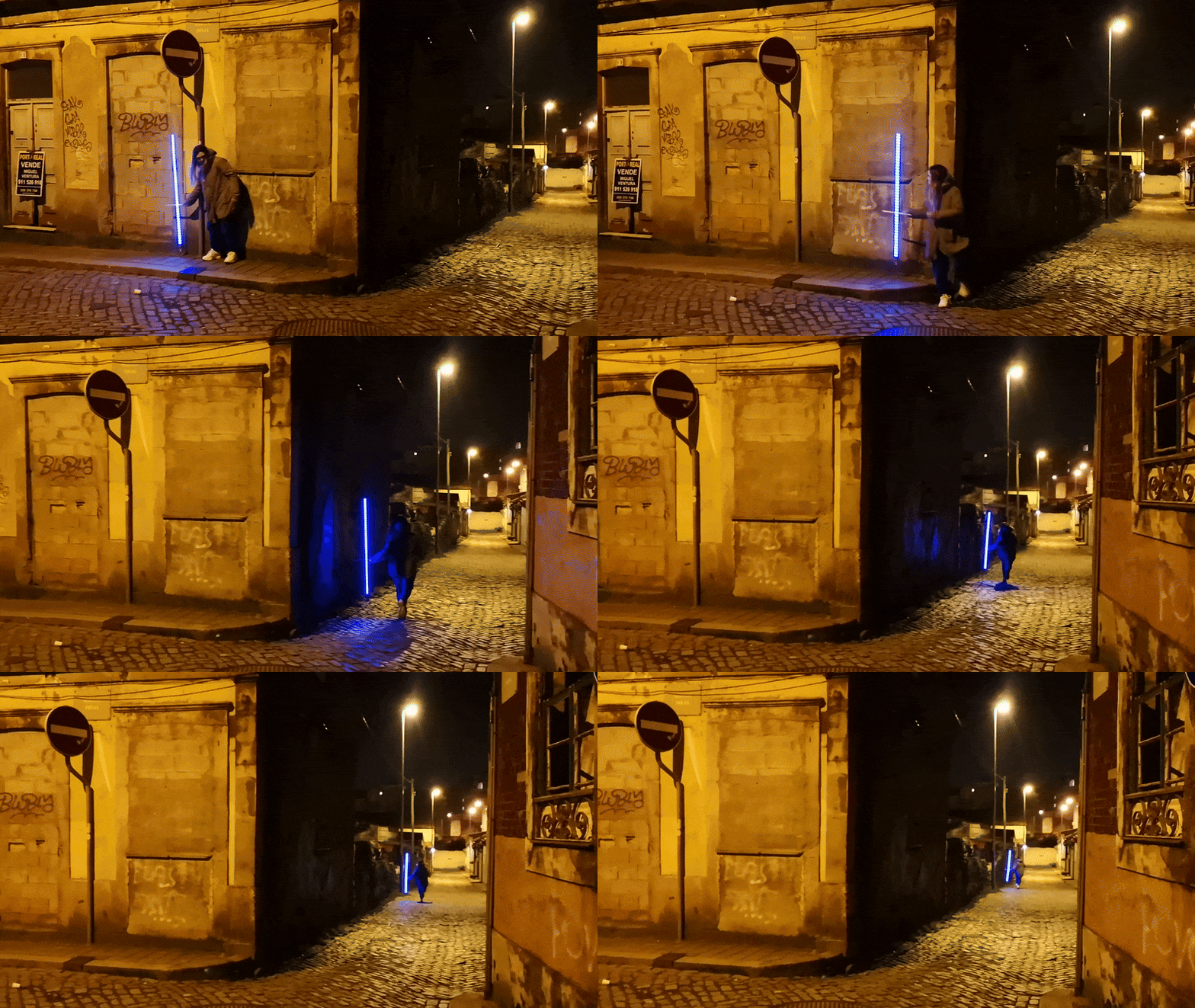
Lightpainting with portable LED stripe
I move through the space with an LED stripe attached to a simple broomstick. The first few rounds are about rhythm and awareness. Running, adjusting, getting familiar with the environment, because in the darkness you never fully know what surrounds you.
Once I find the flow, I begin shaping the light into the imagery I want to share with the viewer.
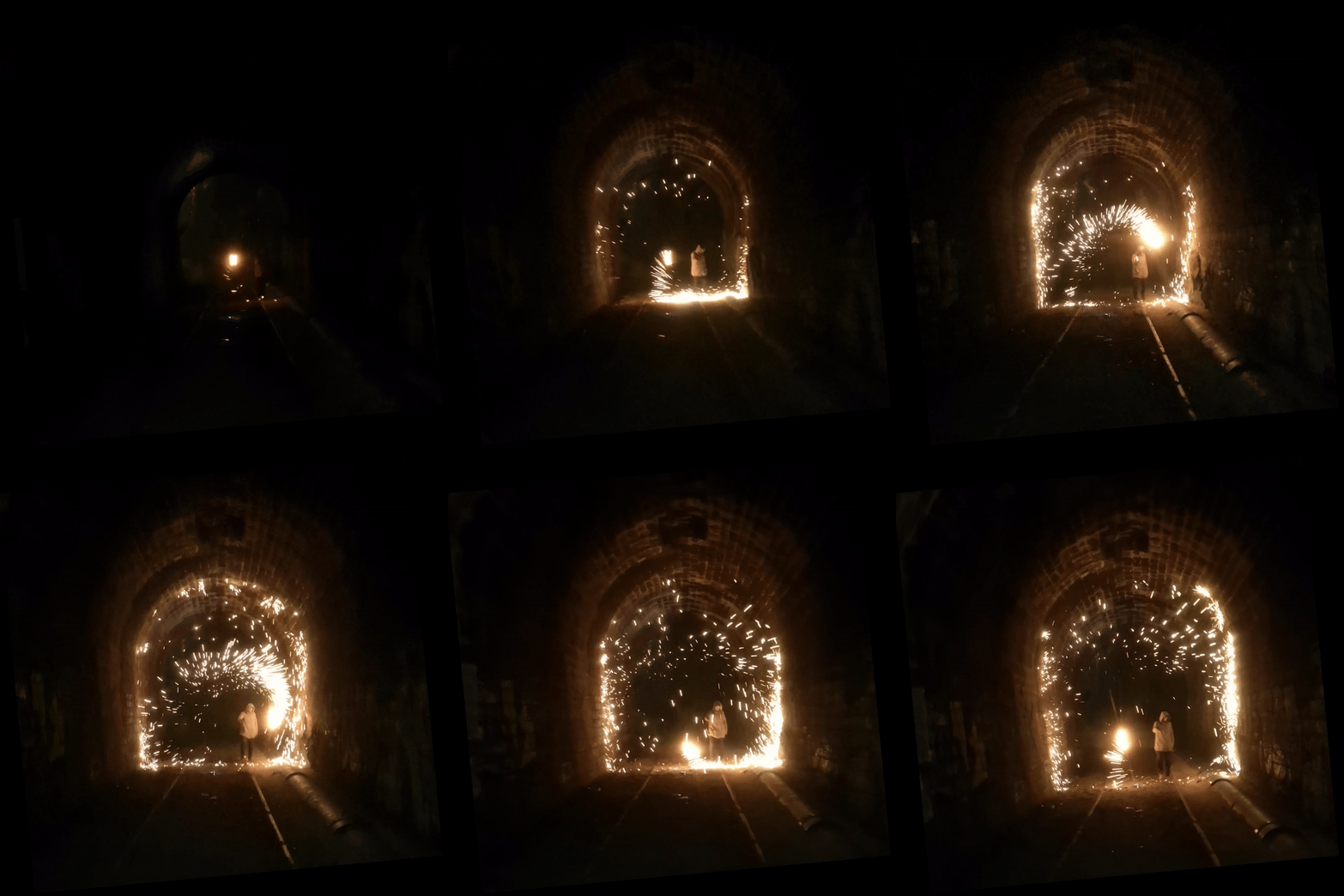
Steel Wool Lightpainting
This one is more demanding and requires precision and caution. I place steel wool inside a kitchen whisk, attach it to a rope, ignite it, and begin spinning it in controlled circular motions. As the sparks fly outward, I rotate my body sometimes a full 360 degrees, sometimes shaping different forms depending on the image I want to create.
The movement must stay fluid, but I remain constantly aware of the sparks to avoid burning myself. It’s a balance between control and chaos.
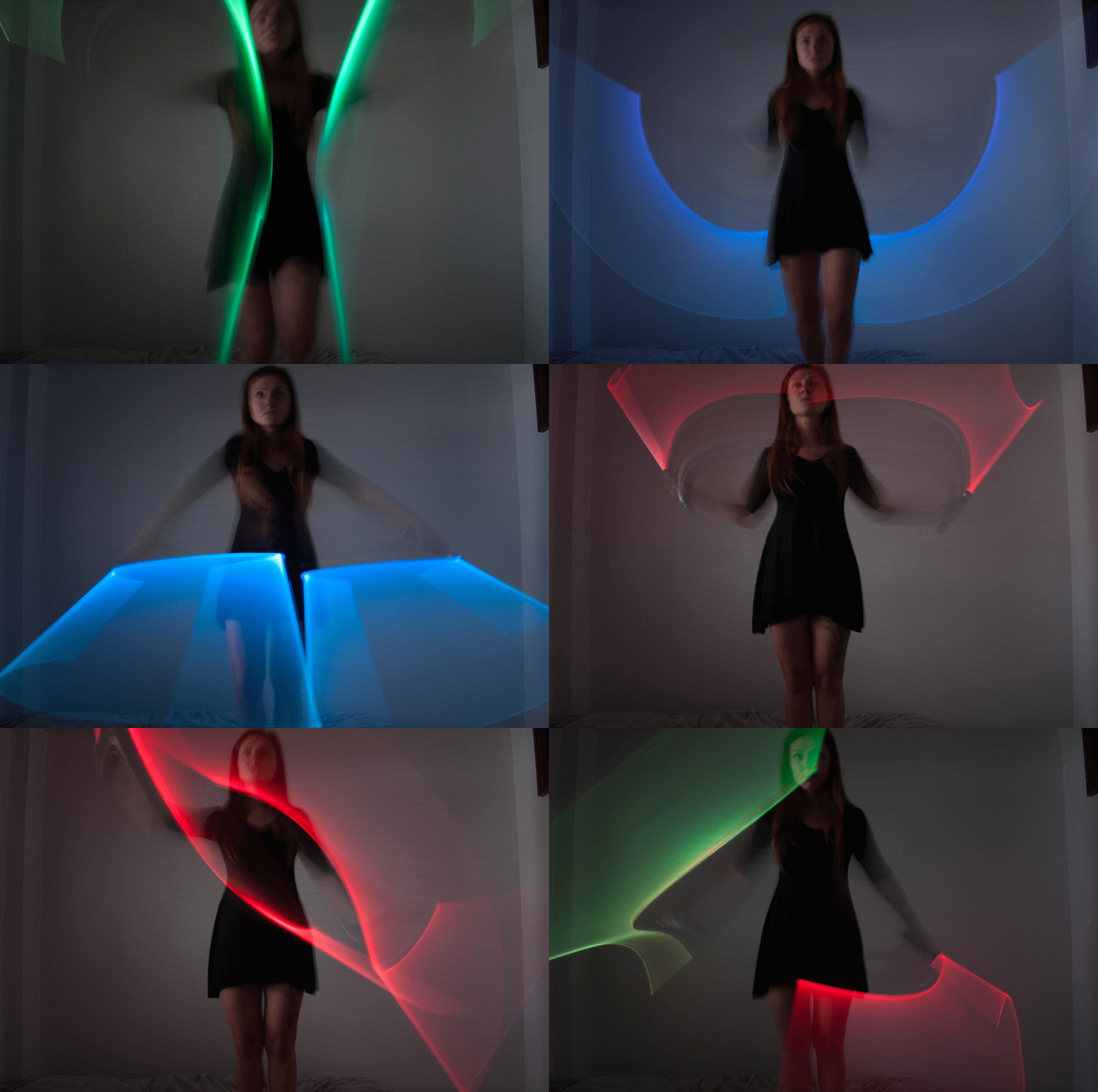
LED Saber Lightpainting
Since I never owned professional lightpainting tools, I improvised by buying toy light sabers online. What started as a simple experiment quickly became one of my favorite ways to paint with light.
The saber allows me to control movement with precision, guiding luminous trails through space and shaping what feels like invisible, cosmic structures.
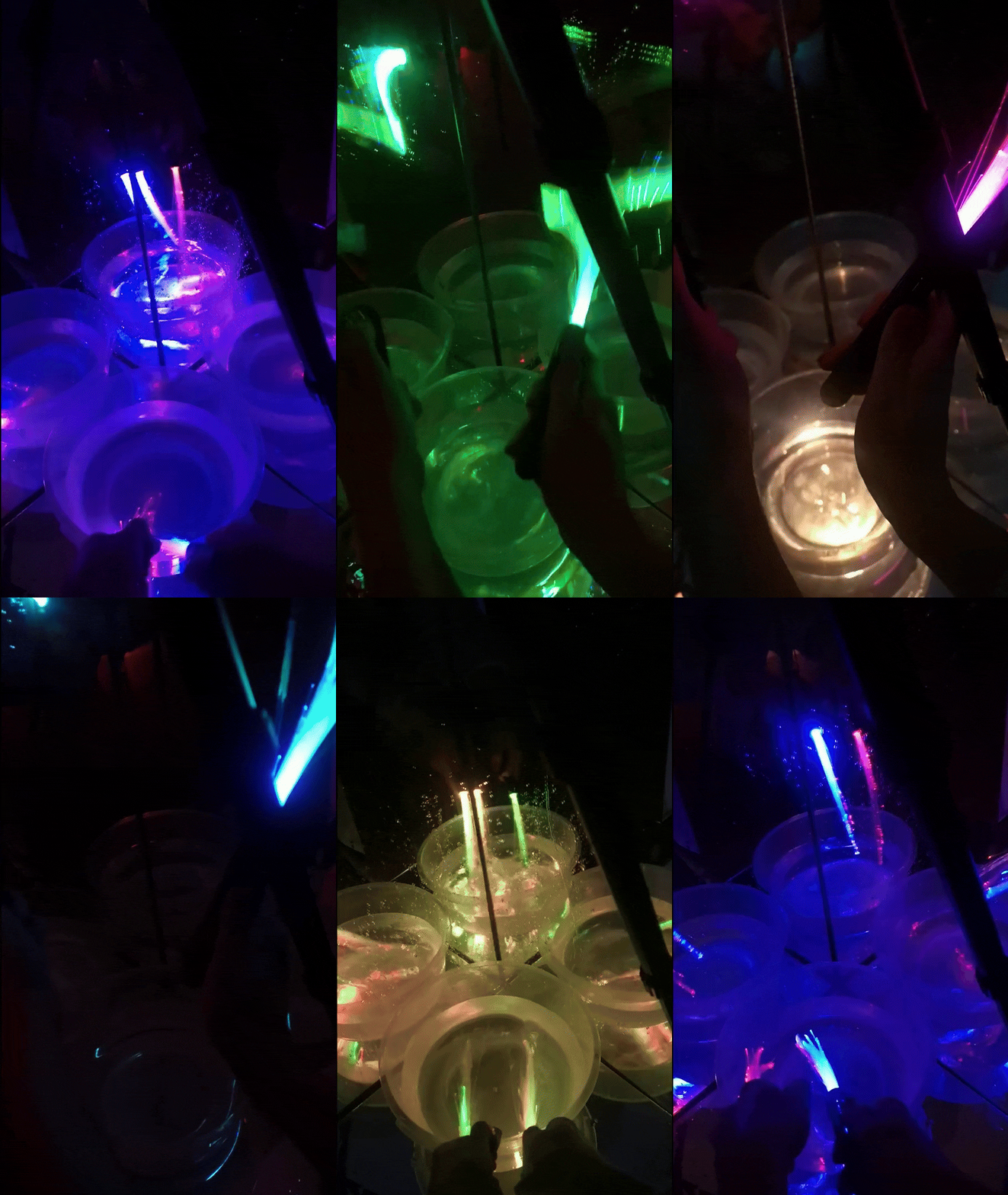
Fiber Optic Plastic Light
Fiber optic plastic light fascinates me the most. It carries light all the way to its delicate edges, allowing me to create soft, brush-like strokes in my abstract lightpainting sessions.
To expand and amplify the beauty of these luminous traces, I experiment with mirrors, transparent glass objects, and even water. Reflections, refractions, and layered surfaces transform simple strands of light into mysterious, multidimensional blends.